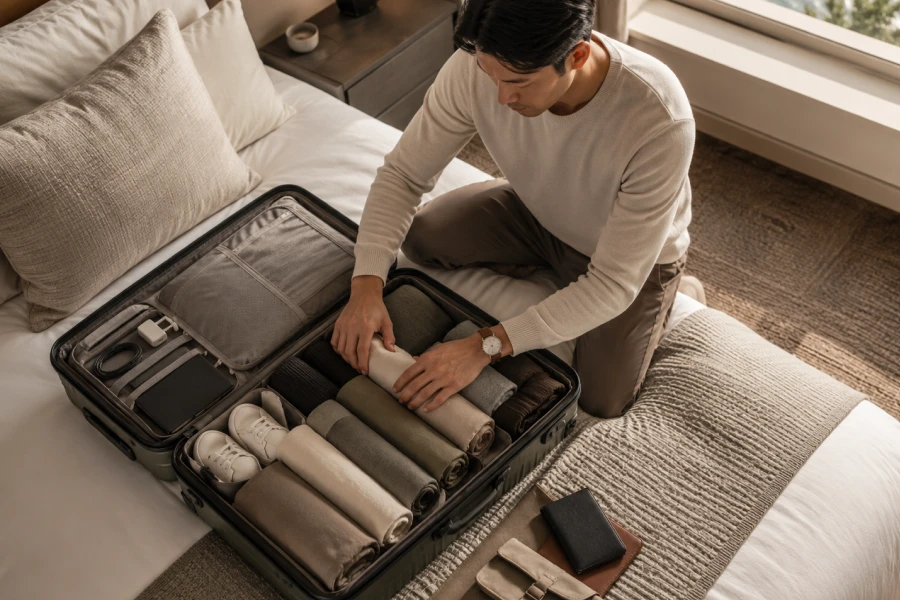
An ai packing list for travel is valuable because it starts before the suitcase opens. Packing problems usually begin with vague assumptions about the destination. You imagine sunshine, then remember cold evenings and unexpected rain. You pack for an ideal version of the trip. Later, the bag must serve the real one. A smarter list connects weather, activities, transit, and personal habits. It gives every item a reason to travel with you. That reason can be practical, emotional, or both. The result is not a smaller bag at all costs. It is a bag that makes daily life easier away from home.
Weather deserves more attention than destination stereotypes. Check temperatures across morning, afternoon, and evening. Look for wind, humidity, and the chance of a sudden downpour. Think about whether you will walk between places or rely on cars. Those details change which shoes and layers become useful. A smart packing framework translates forecast information into real clothing decisions. It can remind you that a light jacket is more flexible than a heavy coat. It can also protect you from packing five versions of the same item. Start with conditions before choosing colors or outfits. That order makes every later decision easier.
Each object in your bag should earn its space. Ask what job it will perform during the trip. A scarf may provide warmth, sun protection, and a polished layer. A small pouch may keep transit essentials within reach. A pair of walking shoes may cover both sightseeing and dinner. The list helps identify items with several useful roles. That is more efficient than simply counting how many pieces you own. The travel packing system approach rewards versatility without making your wardrobe bland. You get more options because each item connects with others. A thoughtful selection feels lighter before you even zip the bag.
Duplicates often appear when packing feels emotional. You add a second sweater because it looks comforting. Then you add a third because the first two seem too similar. Soon the suitcase contains several solutions to the same problem. A pause can prevent that spiral. This comparison lets you evaluate choices by function. You can see where two items offer the same benefit. That clarity makes it easier to keep the one you truly prefer. The personalized packing strategy still leaves room for personal style. It simply removes clutter that does not serve the trip.
Versatility becomes even more valuable when you consider laundry. A quick-drying shirt can return to use the next morning. A neutral layer can bridge temperature changes without consuming much space. These small advantages matter more than a large collection of options. They keep the bag responsive as plans shift. You might extend a stay, change hotels, or face a surprise rainstorm. Items with several jobs help you adapt without shopping in a rush. That is why thoughtful packing feels different from simply packing light. It prepares you for real conditions rather than an ideal forecast. The payoff is a calmer bag and a calmer day.
Your everyday habits matter more than generic travel rules. Someone who reads at night may need a paperback or e-reader. Someone who gets cold on planes may value one soft layer above everything else. Someone who walks all day should test footwear before leaving. Packing becomes better when it reflects real behavior. Do not remove useful items merely to achieve an aesthetic ideal. Instead, look for a lighter version of what you actually use. This keeps the bag practical once the excitement fades. A good list respects the person who will carry it. That person deserves comfort as well as efficiency.
Pack in layers, beginning with the items that cannot be replaced easily. Documents, medication, chargers, and essential clothing belong near the top of your decisions. Add flexible pieces next, then the optional extras. Stop before the optional category becomes another core category. The packing decision support method makes that final pause much easier. It turns packing into a sequence instead of a chaotic pile. Use it to review each choice one final time. The finished list should leave you feeling prepared, not burdened. You want to close the suitcase without doubt. That confidence is the real sign of a good departure.
Try a short test run before departure. Carry the shoes, jacket, and day bag during an ordinary afternoon. Notice what pinches, leaks, or feels awkward after an hour. Fixing those issues at home is far easier than fixing them abroad. The test also reveals which items you reach for naturally. Those familiar essentials deserve priority in your luggage. Anything that feels fussy now will likely feel worse while traveling. Trust what your routine tells you. It is better evidence than a last-minute fantasy about who you might become. Practical testing makes confidence feel earned.
Closing the suitcase should feel like the end of a process. Check that crucial items are accessible before the bag is full. Place documents, medication, and a charger where you can reach them. Take one item out if the zipper needs force. A bag that barely closes will not become easier later. Leave enough room for movement and small purchases. Then carry it across the room once before departure. That simple test tells you more than another packing search. The best packed bag supports the journey from the first step. It does not demand attention when you need it least.




Leave a comment